
When a property has a damp problem, the terminology used matters enormously. Condensation, rising damp and penetrating damp are three distinct phenomena with different root causes and different remediation requirements. Misidentifying one as another can lead to expensive remediation work that fails to solve the actual problem.
Condensation
Condensation forms when moist air meets a sufficiently cold surface. It may be visible on windows or walls, but the appearance alone does not establish everything that is happening in the building.
Look at ventilation, heating, insulation, moisture sources and the building fabric together. A proper investigation should consider defects and the household’s circumstances without automatically blaming residents.
Rising damp
Rising damp describes moisture moving upwards through porous building materials. Staining at low level can have other causes, so a diagnosis should be based on an appropriate inspection.
Penetrating damp: a structural issue
Penetrating damp involves water entering through the building fabric. Gutters, roof details, external walls and other possible paths may need inspection. Rain-related changes can be useful information to record.
How mould fits into this picture
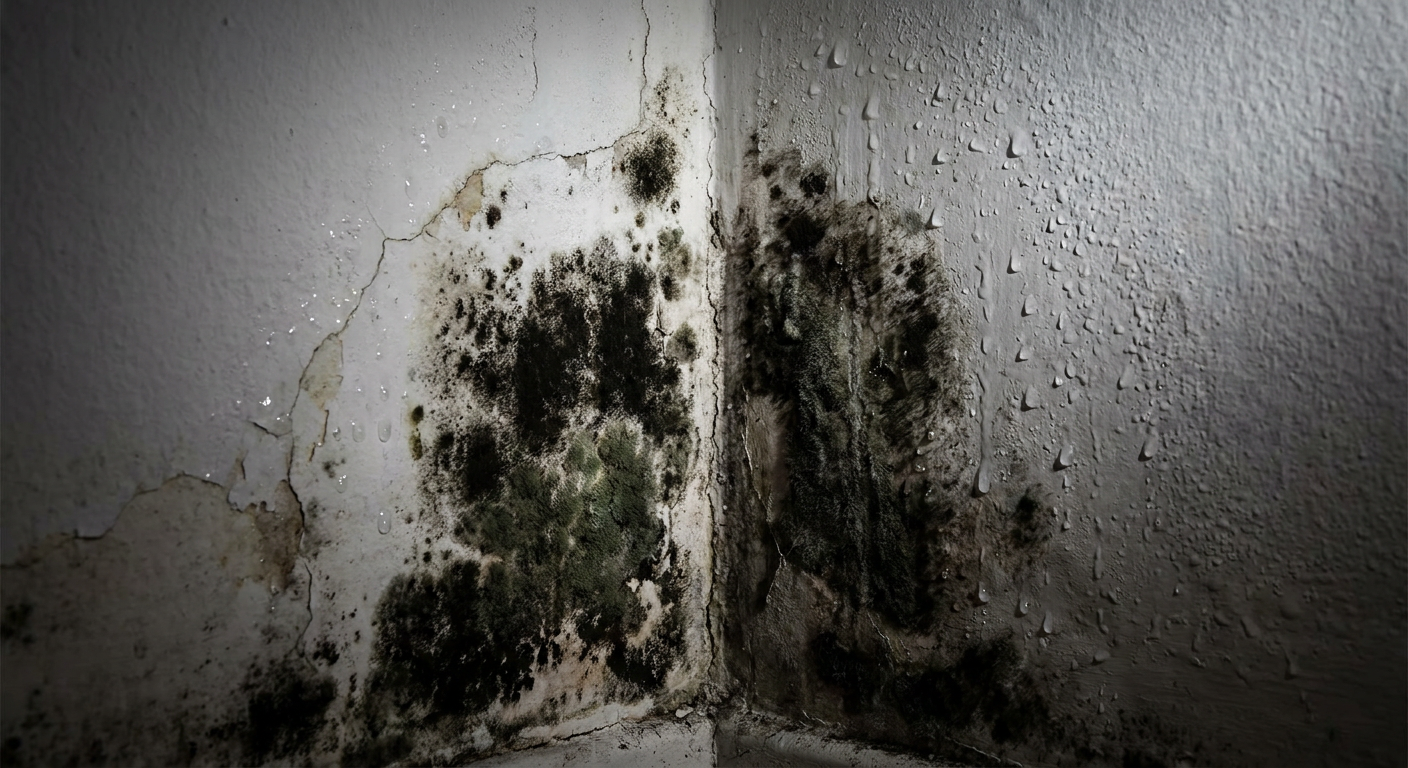
Mould can be a sign of an unresolved moisture problem. Removing visible growth without addressing the cause may lead to recurrence. Review the property after work and keep a record of any changes.
- Record where and when the damp appears.
- Arrange an appropriate building investigation.
- Repair the identified cause and review the results.
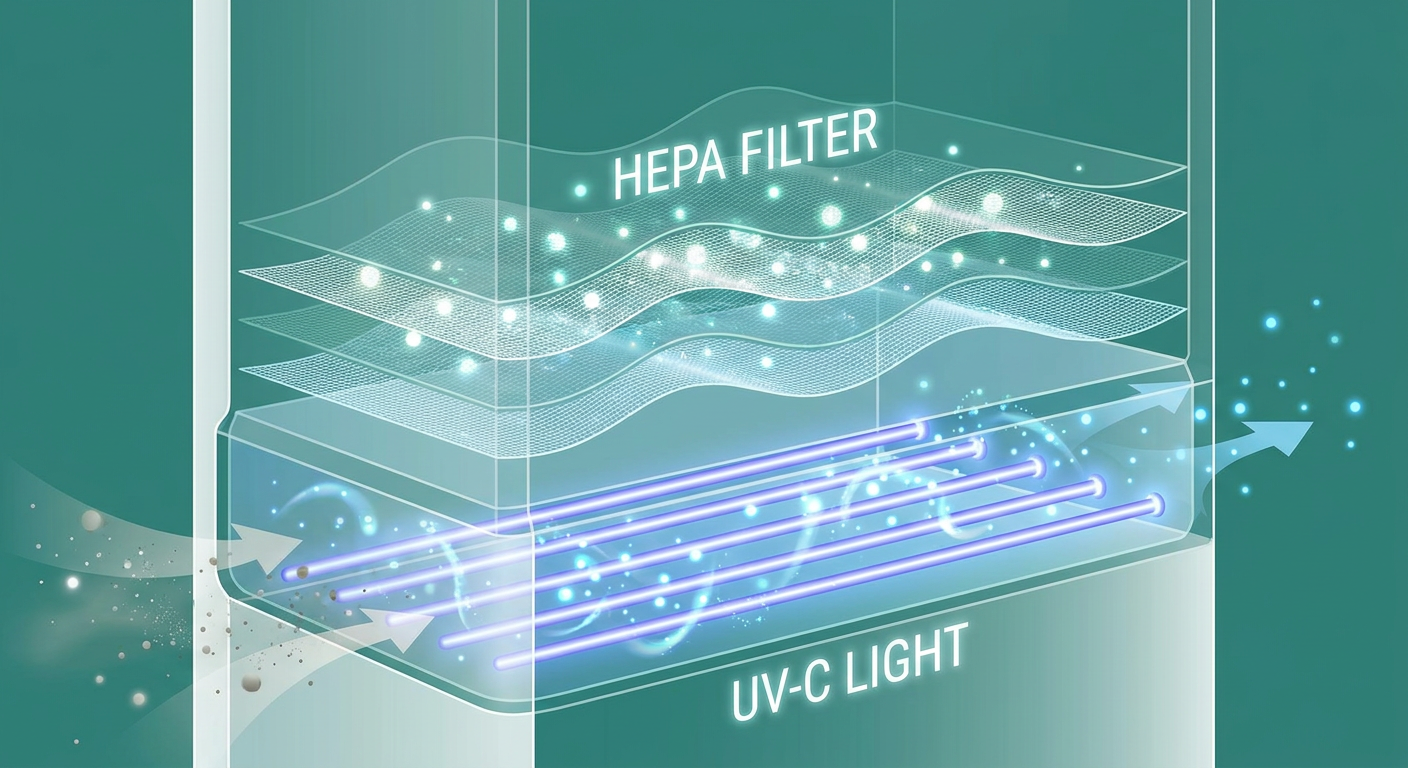
- Treat air purification as a supporting measure, not a repair.