
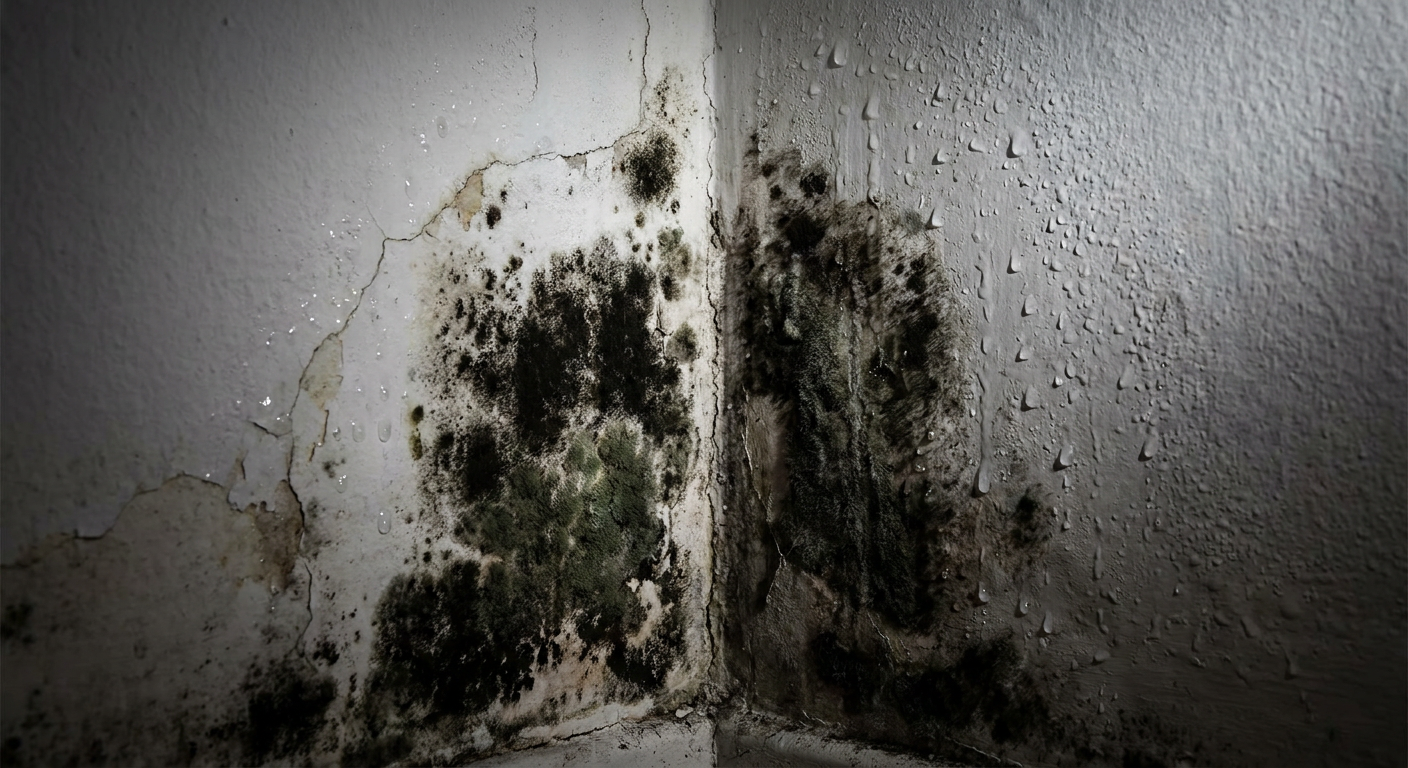
Why mould in your home is more serious than most people realise
The Awaab Ishak case changed how UK law views landlord responsibility for damp. Here is what homeowners and tenants should know about mould risk.

Understand what mould is telling you about your building. Take the report seriously, investigate the moisture and plan the right response.
Find your next step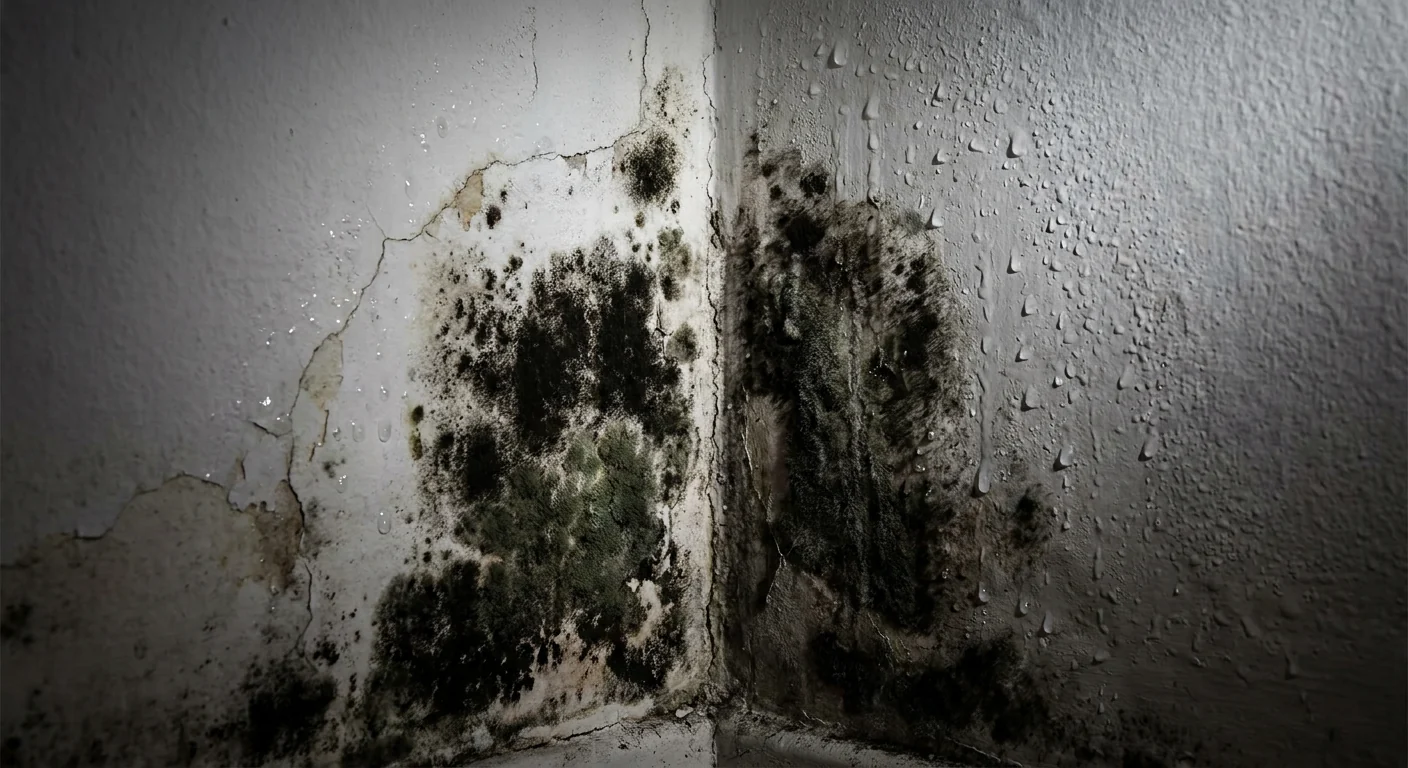
Record where the mould is, when it appeared and whether it is recurring. If you rent, report the issue to your landlord promptly.
Leaks, condensation and building defects need different responses. Find the source rather than repeatedly covering over the signs.
Appropriate repairs, ventilation and moisture management belong at the centre of the response. Consider who is affected and how urgently they need support.
Keep a record of the work, communicate with residents and check whether the problem returns. Air purification can be a supporting measure; it cannot repair a damp building.
No. A purifier does not remove established mould or repair the moisture source. Arrange an appropriate investigation and remedial work.
The underlying source of moisture may still be present. Repeated surface treatment alone may not resolve leaks, defects, condensation or ventilation problems.
Damp and mould can affect health. Take concerns seriously, particularly where residents are vulnerable, and seek appropriate professional advice.
Listen to the report, assess the risk and arrange a timely investigation. Follow the applicable housing duties and current official guidance.
A suitable HEPA unit may help capture airborne particles as part of a wider response. It does not remove the need to address the source of damp or mould.
The Awaab Ishak case changed how UK law views landlord responsibility for damp. Here is what homeowners and tenants should know about mould risk.
Many people use these terms interchangeably, but they are different problems with different causes and different solutions. Getting the diagnosis right is essential.

Tenants have more rights than ever when it comes to damp, mould and unhealthy air. Here is what you are entitled to and how to pursue it effectively.
Government guidance explains the health risks of damp and mould and the responsibilities of housing providers.
Government damp & mould guidance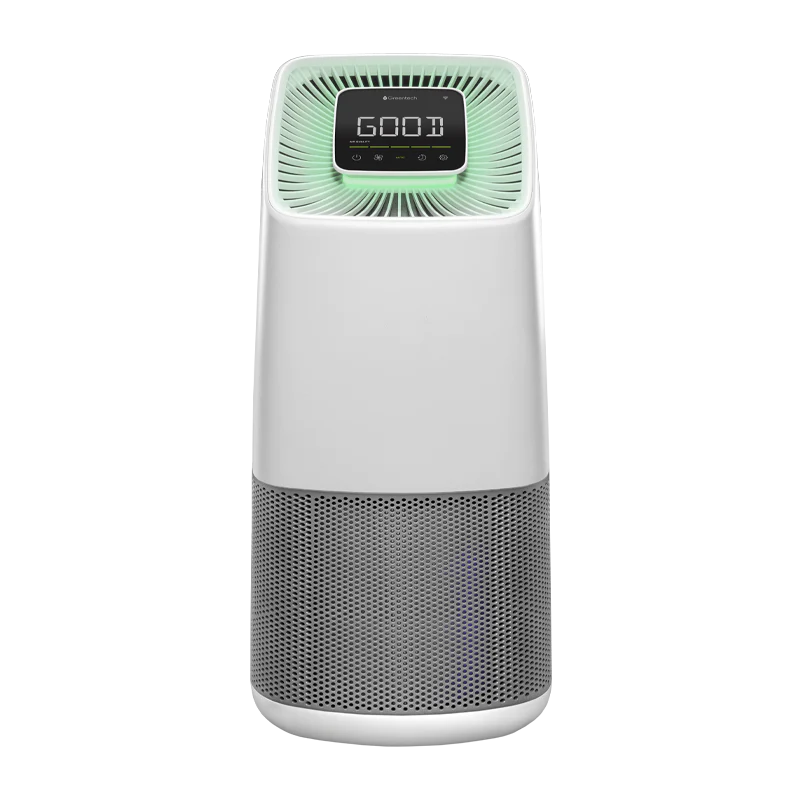
Whole-room active purification for living spaces
Explore Hepa RoomFiltration, odour treatment and active purification for larger rooms
Explore HEPA ProMould releases spores into the air, but visible growth points to a moisture problem that needs investigation and appropriate treatment. A purifier does not remove established mould, fix damp or replace repairs and remediation.
HEPA filtration can capture airborne particles that pass through the unit. Consider HEPA Pro as a supporting measure in a wider response, with room suitability and operating guidance checked first.
The manufacturer’s manual explains the product’s operation. It does not establish a guaranteed outcome in this setting. Room layout, ventilation, use and maintenance matter.
Tell us about your space. We’ll help you understand the options.
Talk to our team