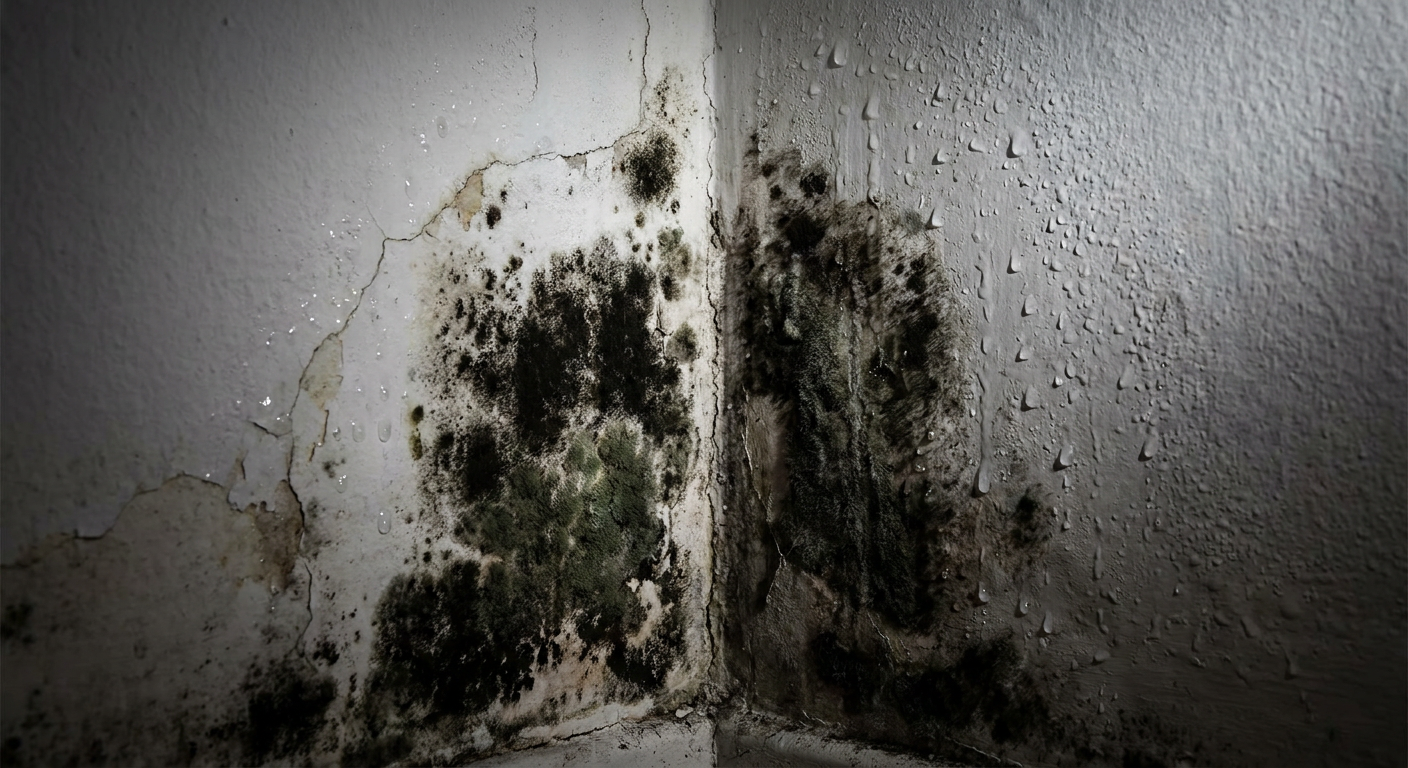


If damp or mould appears in a rented home, report it and keep a record. The right escalation route depends on your tenancy and where you live, so use current official housing guidance for your circumstances.
Start with the repair
Contact your landlord about mould or repairs, particularly where the problem could affect health. Ask what will happen next and when. Responsibilities and legal procedures differ across the UK.
How to report and document problems
Documentation is essential. Many disputes about damp and mould come down to a landlord claiming they were never properly notified, or that the problem was caused by tenant behaviour. Protect yourself by creating a clear paper trail from the start.
- Report any damp, mould or air quality concern to your landlord in writing (email is fine) and keep a copy
- Take date-stamped photographs of all visible mould and damp and keep them in a dedicated folder
- Keep a log of any health symptoms that appear to be related to the property conditions
- Note dates when problems are reported and dates when (or whether) the landlord responds
- If your landlord is unresponsive, contact your local council's environmental health department
What you can do in the meantime
Discuss immediate concerns with your landlord and seek health advice where needed. Practical steps within your control do not remove the need for the underlying problem to be investigated and repaired.
- Keep a copy of your report and any response.
- Record the affected rooms and any changes over time.
- Ask for the investigation and repair plan.
- If repairs are not done, seek help from the appropriate local council or housing advice service.