
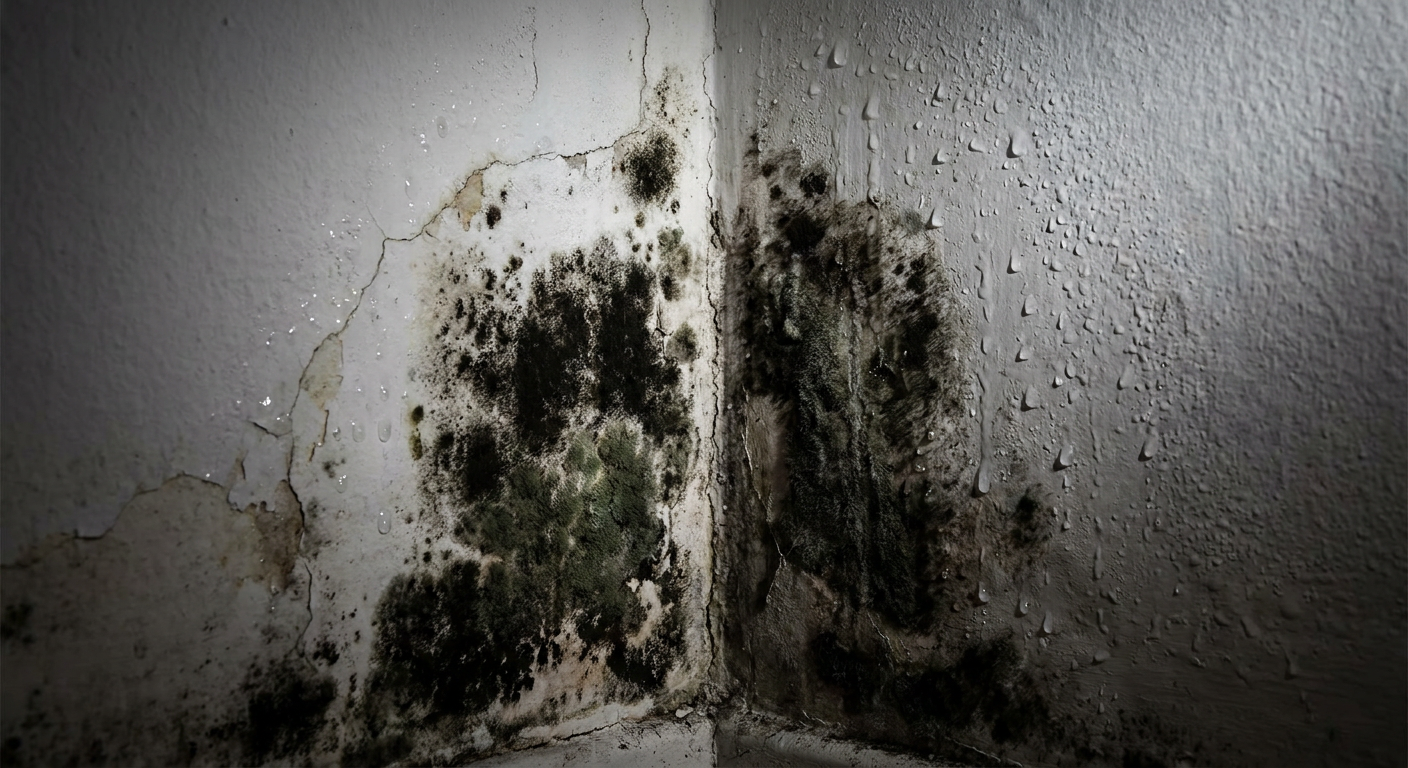
Mould on a wall is more than an appearance problem. It is a reason to take the condition of the building and the people living there seriously. A useful response starts with the report, follows the moisture and checks that the underlying problem has been addressed.
The Awaab Ishak case: a turning point
In December 2020, two-year-old Awaab Ishak died in Rochdale due to a severe respiratory condition caused by prolonged exposure to mould in the social housing flat his family rented. The subsequent inquest in 2022 ruled his death was directly caused by mould exposure. The case sent shockwaves through the housing sector and prompted the UK Government to act.
Awaab’s Law sets deadlines for social landlords in England. Emergency hazards must be investigated and made safe within 24 hours of awareness. Other duties depend on the hazard and the circumstances; use the current government guidance for the full requirements.
How mould affects your health
Mould reproduces by releasing microscopic spores into the air. When inhaled, these spores can trigger immune responses in people who are sensitised to them. The health effects depend on the type of mould, the concentration of spores in the air, and the vulnerability of the person exposed.
- Allergic rhinitis (hay fever-like symptoms year-round)
- Asthma attacks and worsening of existing respiratory conditions
- Hypersensitivity pneumonitis, an inflammatory lung condition
- Skin irritation and eye inflammation
- In immunocompromised individuals, serious systemic infections
Who is most at risk?
Children, older people and people with existing health conditions can be particularly vulnerable. The response should consider the individual household rather than assume that everyone faces the same risk.
What you can do
Addressing mould requires tackling both the symptoms and the underlying cause. Surface cleaning with antifungal solutions removes visible growth, but unless the conditions that enabled the mould to grow are addressed, it will return. The key factors are moisture and ventilation.
- Report damp and mould promptly and keep a written record.
- Arrange an appropriate investigation into leaks, defects, ventilation and moisture.
- Keep the people affected informed about the work and next steps.
- Review the property after remedial work and investigate any recurrence.
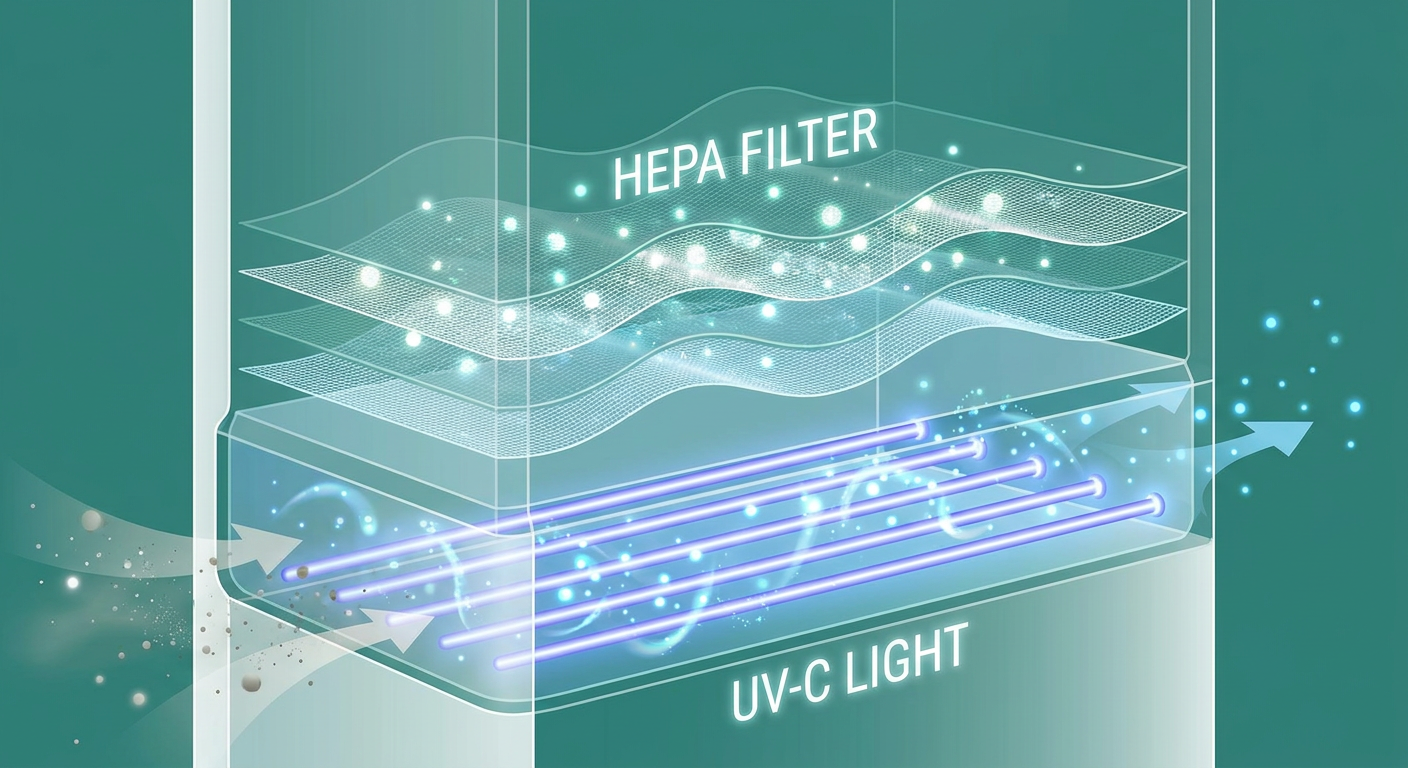
A suitable air purifier may be considered as a supporting measure. It does not remove established mould, repair a leak or establish that a property is safe. Start with the cause and read the guidance for the specific product.