The air purifier market has grown enormously in the past five years. Where once there were a handful of products to choose from, there are now hundreds of options across an enormous price range. Not all of them do what they claim. This guide will help you understand what to look for and match the right technology to your specific needs.
Step 1: Identify your primary concern
The most important question is: what are you trying to address? The answer shapes which technology you need.
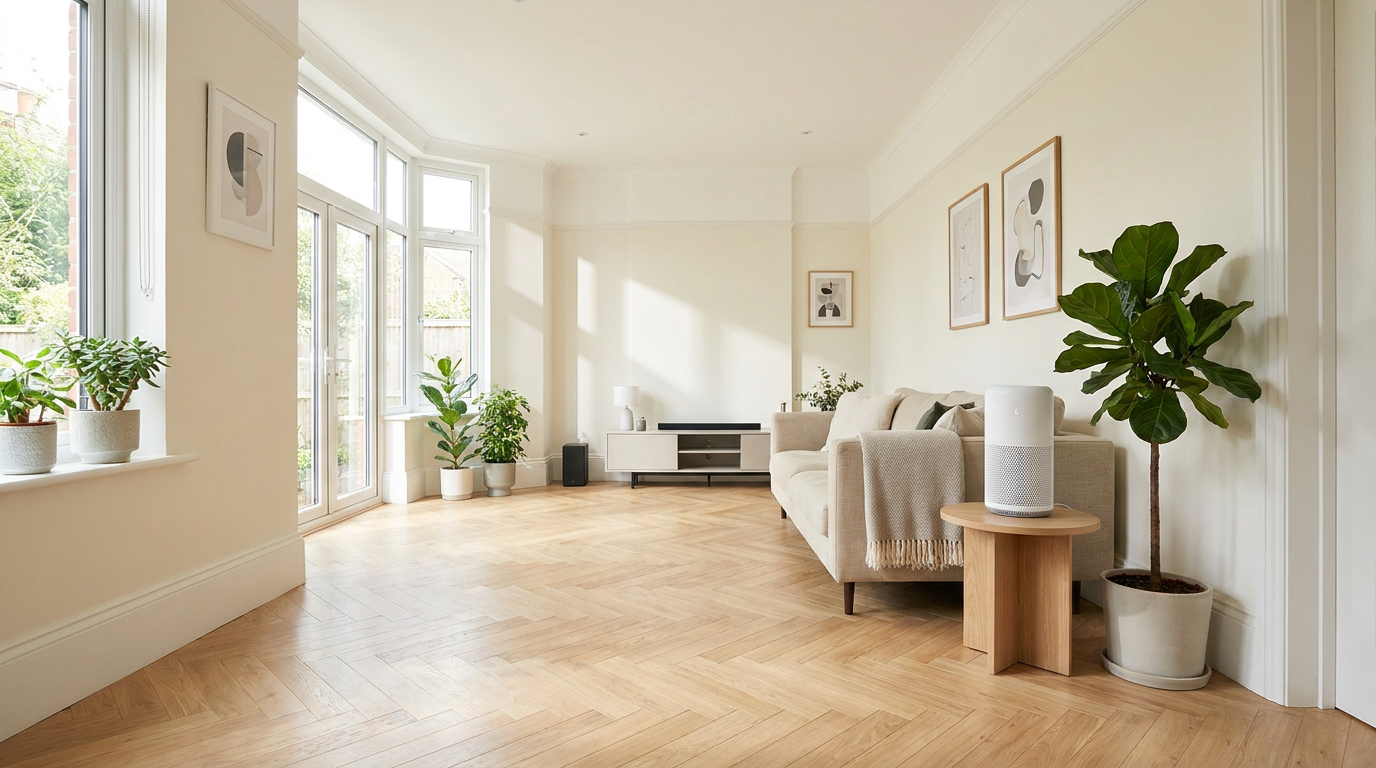
- For airborne particles, compare filtration and room suitability.
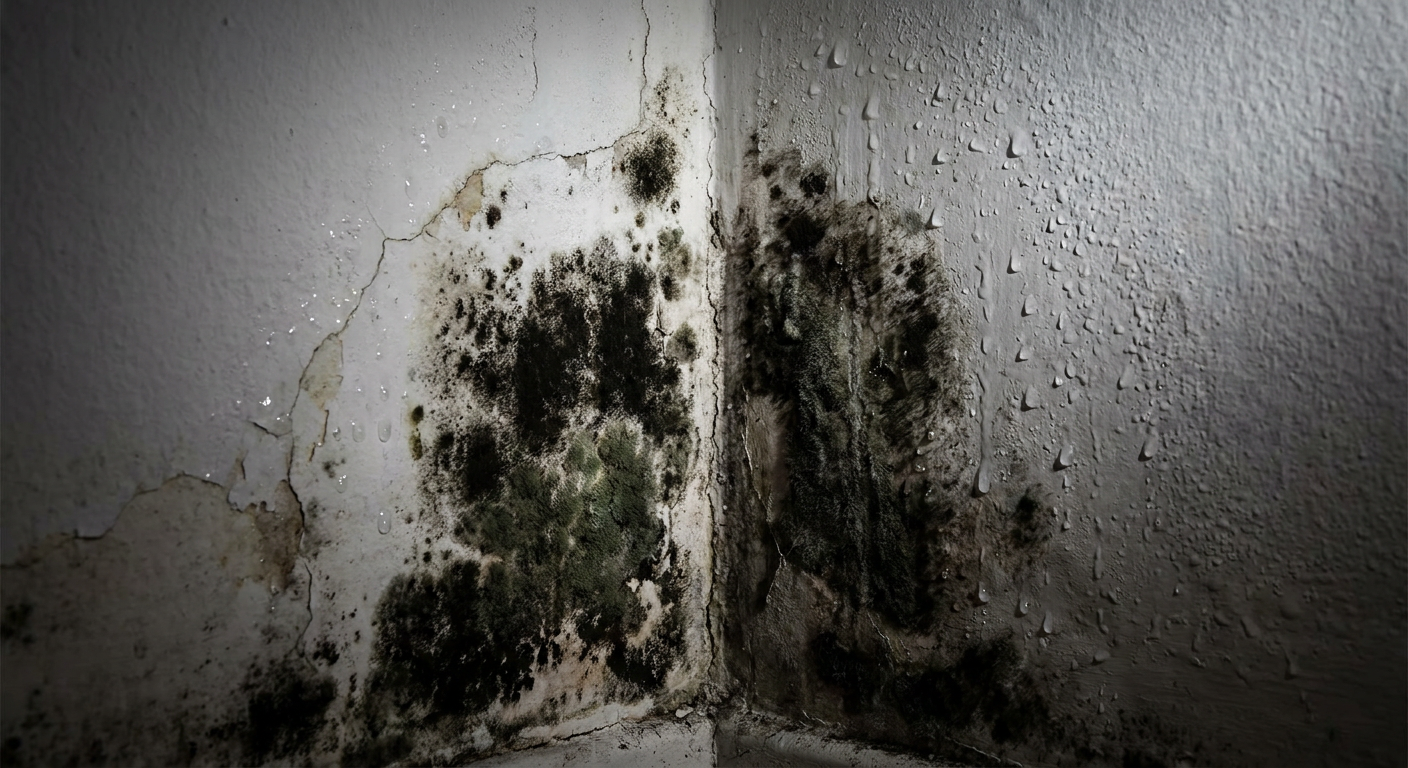
- For persistent mould, investigate and address the moisture source first.
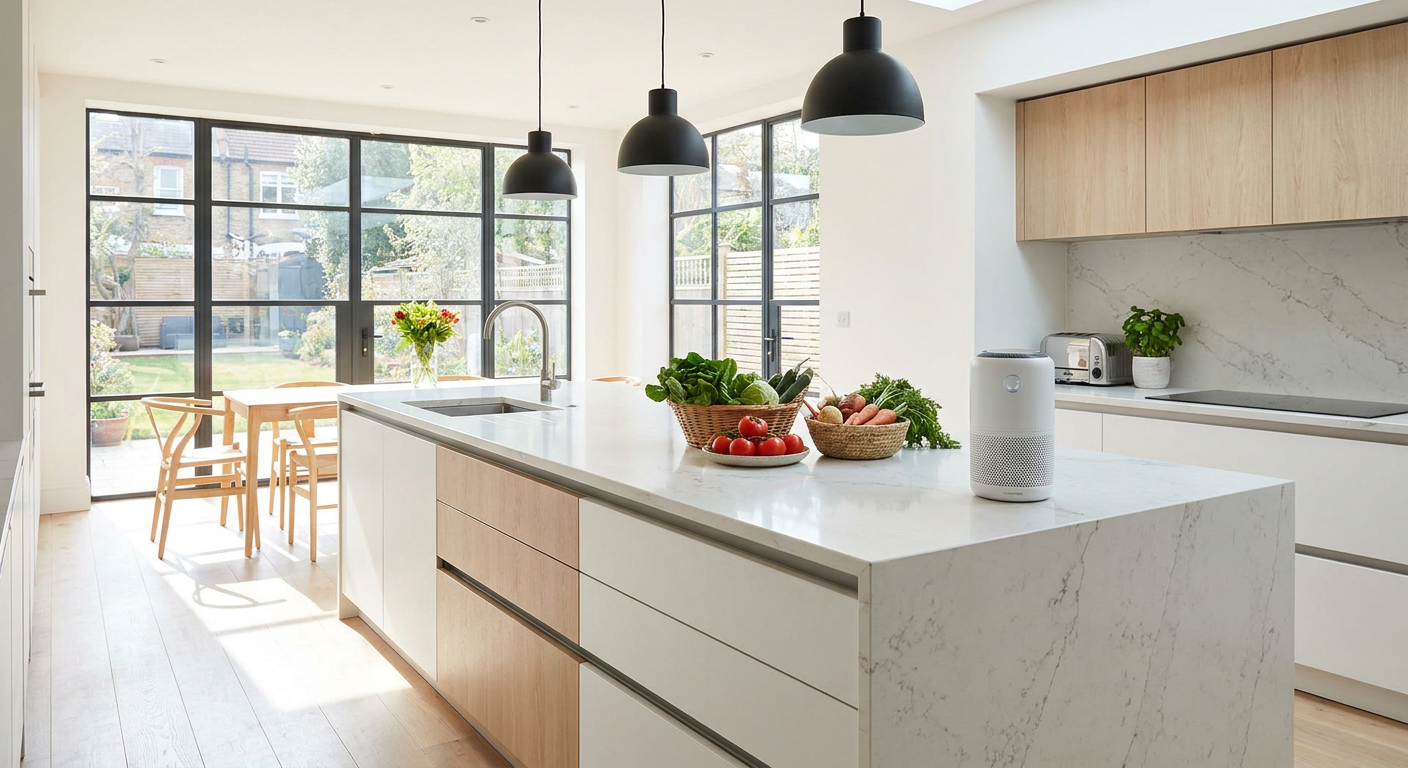
- For odours, identify the source and review the relevant product evidence.
- For comfort and circulation, consider whether you actually need a fan.
Step 2: Match the unit to your room size
Coverage figures are only useful in context. Check the room dimensions, ceiling height, stated airflow and operating setting. Ask how the manufacturer’s coverage figure was calculated rather than assuming it guarantees the same outcome in every room.
Step 3: Consider noise levels
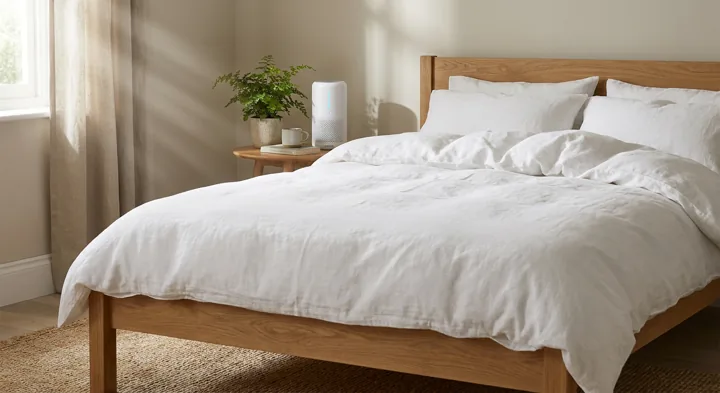
Compare documented noise levels at the setting you expect to use. A low setting may be quieter but can also mean less airflow. A showroom impression does not tell you how a unit will feel beside a desk or bed.
Step 4: Factor in running costs
The purchase price is one part of ownership. Ask about filters, service intervals, replacement parts and power consumption. Maintenance schedules vary by product and environment.
- Check the price and availability of replacement filters.
- Read the recommended maintenance schedule.
- Compare power consumption at the settings you expect to use.
- Understand the conditions attached to the warranty.
Step 5: Read the evidence
Ask which model a report covers and whether its test conditions match your application. Distinguish product specifications, laboratory results and claims about outcomes in occupied buildings. If something is unclear, ask before buying.